Dabba Trading App

What Is Dabba Trading

500x Margin Trading App

500x Margin Trading App: Hidden Risks & Dabba Trading Truth in India

Why Everyone is Talking About 500x Trading Apps Imagine turning ₹1,000 into ₹5,00,000 worth of trades within minutes. That’s exactly what a 500x margin trading app promises. It sounds exciting, but here’s the reality—most traders lose money faster than they expect. With the rise of dabba trading apps and unregulated platforms, many users unknowingly enter high-risk environments. Before using such apps, it’s important to understand how they work and the dangers involved. What is a 500x Margin Trading App? A 500x margin trading app is a platform that allows traders to control positions 500 times larger than their actual investment using leverage. While it increases profit potential, it also significantly increases risk and is not allowed under SEBI-regulated brokers in India. Key Points: How Does Margin Trading Work? Margin trading allows you to borrow money from a broker to trade larger positions. Example: A small 1% move can result in ₹5,000 profit—or loss. This is why high leverage trading apps are extremely risky. 👉 Learn more about what is margin trading in India and how it works before using leverage. 500x Margin Trading: Profit vs Loss Example Investment Leverage Market Move Result ₹1,000 500x +1% +₹5,000 Profit ₹1,000 500x -1% -₹5,000 Loss ₹1,000 500x -0.2% Capital Wiped Out Insight: Even a small negative movement can wipe out your entire capital. Why Do Traders Use High Leverage Apps? Traders are attracted to these platforms because: However, many ignore the risks and fall into traps set by unregulated platforms. 👉 Understand the risks of high leverage trading before starting. 🚨 The Biggest Mistake New Traders Make Most beginners focus only on profits and ignore risk. Many platforms offering 500x leverage are linked to dabba trading brokers, where trades are not even executed in real markets. This turns trading into gambling rather than investing. If a platform promises “guaranteed profit,” it’s a major red flag. What is a Dabba Trading App? A dabba trading app is an illegal platform where trades happen outside official exchanges like NSE or MCX. A dabba trading broker manages all trades internally. This means: 👉 Read more about what is dabba trading and how it works. How Dabba Trading Brokers Operate A dabba trading broker profits when you lose money. Warning Signs: 👉 Check is dabba trading legal in India before using any platform. MCX Dabba Trading Explained MCX dabba trading involves illegal commodity trading outside the official exchange. Risks: 👉 Explore dabba trading broker risks and scams to stay safe. Is 500x Margin Trading Legal in India? No. SEBI does not allow such high leverage for retail traders. If any app offers: …it is likely part of a dabba trading app network. 👉 Always choose SEBI registered brokers in India for safe trading. FAQs What is 500x leverage in trading? 500x leverage allows traders to control a position 500 times their investment using borrowed funds. Is 500x trading safe? No, it is extremely risky and can lead to rapid losses. Can I legally use a 500x margin trading app in India? No, such leverage is not allowed by SEBI-regulated brokers. How do I identify a dabba trading app? Check for proper registration, realistic leverage, and exchange connectivity. ✅ How to Trade Safely in India To avoid scams and losses: 👉 Learn safe leverage levels for traders to protect your capital. Final Thoughts A 500x margin trading app may look like a shortcut to fast profits, but it often leads to serious financial losses and exposure to illegal systems like dabba trading apps, dabba trading brokers, and MCX dabba trading. Instead of chasing quick money, focus on long-term strategies, legal platforms, and disciplined trading.

500x Margin Trading App: Hidden Risks & Dabba Trading Truth in India Read More »
MCX Dabba Trading

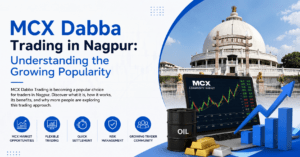
MCX Dabba Trading in Nagpur: Understanding the Growing Popularity

Traders have long been interested in commodity markets because of the chance to profit from fluctuations in the prices of commodities such as gold, silver, crude oil, natural gas and agricultural products. The MCX dabba trading has been a popular subject of the traders over the past few years who want to improve their flexibility and ease of access to the market. People looking for dabba trading nagpur in Maharashtra are interested in knowing how this trading model works, what makes people interested in it and what things should be taken into consideration before engaging in it. The commodity dabba trading is basic guide, which will tell you about the dabba trading knowledge or what makes many traders still look into this segment of trading. What Is MCX Dabba Trading? MCX dabba trading is a trading method that is not conducted on the official exchanges, but rather by a trader and an operator using an unofficial trading agreement to record the commodity trade. MCX is the name of one of India’s biggest commodity trading exchanges. In dabba trading, however, trades are normally completed off exchange. Participants often speculate on commodity price movements such as: Instead of routing orders through an exchange, trade entries are maintained internally by operators, and profits or losses are settled based on market price movements. Why Is Commodity Dabba Trading Popular? The popularity of commodity dabba trading is largely driven by the features that traders find attractive when compared to traditional trading methods. Higher Exposure Many traders are drawn to the possibility of obtaining larger trading exposure with relatively small capital. This allows them to take bigger positions in commodities than they could through standard exchange-based trading. Quick Account Access Some operators offer simplified onboarding processes, allowing traders to start quickly without lengthy documentation requirements. Access to Multiple Commodity Markets Participants can often track and speculate on several commodity segments from a single platform, including metals, energy products, and agricultural commodities. Flexible Trading Environment Many traders appreciate the flexibility offered by private trading arrangements, especially when looking for customized trading limits and position sizes. Dabba Trading Nagpur: Growing Interest Among Commodity Traders In the heart of India, Nagpur has grown to be a significant business hub. As people get more aware about the trading market for commodities and online trading platforms, the interest in dabba trading Nagpur is rapidly rising. Several factors contribute to this trend: A large number of traders in Nagpur are closely watching the price shifts of these commodities and are looking for trading chances in volatile markets like crude oil, gold and silver. Understanding How Commodity Dabba Trading Works To better understand commodity dabba trading, it helps to look at the typical trading process. Step 1: Account Setup A trader obtains access to a trading platform or trading ID through an operator. Step 2: Fund Deposit Capital is deposited into the trading account to begin participating in commodity price movements. Step 3: Market Analysis The trader studies commodity trends, charts, economic events, and market sentiment before placing trades. Step 4: Position Entry The trader enters a buy or sell position based on expected price movement. Step 5: Settlement Profits and losses are calculated according to market fluctuations and settled directly between parties involved. Commodities Commonly Traded The most frequently traded commodities include: Gold Gold is still among the most popular commodities to follow, as it is a traditional store of value. Silver There is a high demand for silver as an industrial material as well as an investment vehicle, making a frequent trade. Crude Oil Crude oil is volatile, and is a favorite among short-term traders. Natural Gas Changes in weather, global demand and supply can cause large price movements. Base Metals Copper, zinc, aluminum, and lead are commonly traded by participants monitoring industrial demand. Importance of Market Knowledge Whether someone is exploring traditional commodity markets or learning about MCX dabba trading, market knowledge remains essential. Successful traders generally focus on: A well-informed trader is better equipped to understand market movements and make informed decisions. Factors That Influence Commodity Prices Commodity prices can move rapidly due to several factors. Global Economic Conditions Economic growth often increases demand for raw materials and energy products. Supply and Demand Changes in production levels can significantly affect prices. Currency Movements Fluctuations in currency values may impact commodity pricing across global markets. Geopolitical Events Energy and metal markets might be volatile due to international conflicts, sanctions, and policy changes. Seasonal Factors Demand and supply of agricultural commodities tends to fluctuate seasonally. The traders can better comprehend the movement in the market by understanding these factors. Risk Awareness in Commodity Trading Commodity markets are naturally volatile. Price movements can occur within minutes due to global developments, economic data releases, or unexpected events. Traders should always: A disciplined approach often plays a major role in long-term trading consistency. The Future of Commodity Trading in Nagpur As digital trading technology continues to expand, more individuals are becoming interested in commodity markets. The demand for market information, trading education, and trading platforms continues to grow. The rising trend of dabba trading in Nagpur is indicative of the growing trend of engaging in commodity market trading. Meanwhile, traders are becoming more conscious about market analysis, risk management, and informed decision making. The information and understanding of the mechanics of the market are crucial steps towards an effective way of dealing with commodity price movements, whether you are interested in MCX dabba trading or are just learning about commodity dabba trading. Final Thoughts Commodity trading remains in demand with traders interested in markets such as gold, silver, crude oil, natural gas and other key markets. As awareness and availability of trading commodities online have increased, so has the interest in MCX dabba trading and dabba trading Nagpur. Traders need to prioritize education, market analysis, and prudent risk management before engaging in any trading. People with a solid grasp of commodity knowledge will be able to play the markets with more knowledge and

MCX Dabba Trading in Nagpur: Understanding the Growing Popularity Read More »

Dabba Trading Near Me

Dabba Trading Near Me: Why Traders in Nagpur Are Exploring Alternative Trading Opportunities

Searches for terms like “dabba trading near me” and “dabba trading in Nagpur” have increased as more people become interested in financial markets, stock trading, and wealth-building opportunities. The growing awareness of trading as a potential source of income has encouraged many individuals to explore different ways of participating in the markets. In a rapidly evolving financial landscape, traders are looking for faster execution, better market access, advanced trading tools, and flexible investment opportunities. This growing interest highlights the importance of understanding various trading methods and choosing solutions that align with regulatory requirements and long-term financial goals. Why Trading Is Becoming Popular in Nagpur Nagpur has emerged as one of Maharashtra’s growing business and commercial centers. With increasing internet penetration, smartphone usage, and financial awareness, more individuals are exploring: The accessibility of online trading platforms has made market participation easier than ever before. What Drives Interest in Dabba Trading Searches? When users search for “dabba trading near me,” they are often looking for: These searches indicate strong interest in financial markets and a desire to learn more about trading opportunities. The Rise of Modern Trading Platforms Today’s traders have access to powerful tools that were once available only to institutional investors. Key advantages include: Advanced Trading Technology Modern platforms offer: Educational Resources Many traders begin their journey by learning: Building knowledge is often the first step toward becoming a successful trader. Better Market Accessibility Investors can now access multiple asset classes from a single platform, making diversification easier than ever. Why Education Matters Before Trading Successful traders understand that knowledge is one of the most valuable investments they can make. Important areas to focus on include: Learning these skills helps traders make informed decisions and improve long-term performance. Trading Opportunities in Nagpur Nagpur’s growing financial ecosystem is creating increased awareness about investment opportunities. Many residents are exploring: With access to online education and digital platforms, traders can participate in markets from virtually anywhere. Frequently Asked Questions Why do people search for “dabba trading near me”? Most users searching for this term are looking for alternative trading opportunities, leverage options, and information about market participation. Is Nagpur a good city for learning trading? Yes. Nagpur’s growing business environment and increasing financial awareness make it a favorable location for individuals interested in learning about trading and investing. What should beginners focus on first? Beginners should prioritize: Can trading become a long-term skill? Yes. Many successful traders treat trading as a professional skill that requires continuous learning, discipline, and strategic decision-making. Conclusion The increasing search volume for “dabba trading near me” and “dabba trading in Nagpur” reflects a growing interest in financial markets and trading opportunities. As more people seek ways to participate in the market, education, research, and informed decision-making become increasingly important. By focusing on knowledge, strategy, and responsible market participation, traders can build valuable skills and explore opportunities that support their long-term financial objectives.

Dabba Trading Near Me: Why Traders in Nagpur Are Exploring Alternative Trading Opportunities Read More »

Commodity Dabba Trading

Commodity Dabba Trading: How It Works, Why It Persists, and the Risks Every Trader Should Understand

Introduction Commodity markets attract traders looking to capitalize on price movements in assets such as gold, silver, crude oil, natural gas, and agricultural products. Alongside regulated exchanges and licensed brokerage firms, an unofficial trading ecosystem has existed for decades—commonly referred to as commodity dabba trading. Despite increased market transparency and regulatory oversight, many traders still encounter terms such as “dabba broker” or “dabba trading brokerage.” Some are curious about how these arrangements work, while others may be attracted by promises of lower margins, higher leverage, or simplified account opening procedures. Understanding the mechanics, risks, and legal implications of commodity dabba trading is essential before participating in any form of commodity speculation. This guide explains the concept in detail, compares it with regulated trading, and highlights why investor protection remains one of the most important considerations in financial markets. What Is Commodity Dabba Trading? Commodity dabba trading is an unauthorized form of speculative trading where transactions are conducted outside recognized commodity exchanges. In a regulated market, every trade is routed through an exchange, recorded electronically, monitored by regulators, and settled through established systems. In dabba trading, however, the transaction typically remains within a private network operated by an intermediary. Instead of executing a genuine commodity futures contract, the operator simply records the trader’s position and settles profits or losses based on market price movements. The result is a system that mirrors exchange prices without actually participating in the official market. How Commodity Dabba Trading Works To understand the concept, consider a trader who expects crude oil prices to rise. In a Regulated Environment The trader: Every transaction becomes part of the official market infrastructure. In an Unofficial Arrangement The trader: No official exchange execution occurs, even though the trade may appear to resemble a genuine commodity transaction. The Role of a Dabba Broker A dabba broker acts as the intermediary between traders and the unofficial trading network. Their responsibilities often include: Unlike licensed intermediaries, these operators do not generally provide the safeguards associated with regulated financial markets. This distinction becomes particularly important when disputes arise over trade execution, account balances, or withdrawals. Why Some Traders Are Attracted to Dabba Trading The continued existence of unofficial trading networks raises an obvious question: why do some traders choose them despite the risks? Several factors contribute to their appeal. Lower Entry Requirements Some participants are drawn to the perception that less capital is needed to begin trading. Simplified Procedures Account opening processes may appear faster and involve fewer formal requirements. Higher Leverage Certain operators promote leverage levels that exceed those typically available through regulated channels. Informal Operations Some traders mistakenly believe that avoiding official systems offers flexibility or convenience. While these characteristics may seem attractive initially, they often come at the cost of transparency, investor protection, and legal certainty. Understanding Dabba Trading Brokerage The term “dabba trading brokerage” generally refers to the fees, commissions, or spreads charged by operators facilitating unofficial trades. Unlike regulated brokerage structures that disclose charges through standardized statements, unofficial arrangements may use varying fee models, including: Because these systems operate outside standard oversight mechanisms, fee transparency can vary significantly. The Biggest Risks Traders Often Overlook The discussion around dabba trading frequently focuses on leverage and accessibility. However, the most important considerations involve risk. Lack of Regulatory Protection Regulated markets are designed to protect participants through oversight, reporting requirements, and dispute resolution mechanisms. Unofficial trading arrangements generally do not offer comparable safeguards. Counterparty Risk The trader relies entirely on the operator’s ability and willingness to honor settlements. If disagreements occur, proving the existence and terms of a transaction may be difficult. Fund Security Concerns Investor funds in regulated markets are subject to specific compliance standards. In unauthorized systems, there may be limited visibility regarding how client money is handled. Pricing and Execution Disputes Because transactions are not executed on an exchange, disagreements may arise regarding: Limited Legal Recourse Recovering losses through legal channels can be significantly more challenging when transactions occur outside recognized frameworks. Commodity Dabba Trading vs Regulated Commodity Trading Understanding the difference between these two approaches helps traders make informed decisions. Factor Unofficial Dabba Trading Regulated Commodity Trading Exchange Execution No Yes Regulatory Oversight Limited or None Extensive Investor Protection Limited Structured Official Trade Records No Yes Transparency Lower Higher Compliance Standards Uncertain Defined Dispute Resolution Difficult Established Settlement Framework Informal Regulated The key distinction is not merely where a trade occurs, but whether the participant benefits from recognized market protections. A Practical Example Imagine two traders with identical market views on gold futures. Trader A uses a regulated brokerage account and executes an exchange-listed contract. Trader B enters a similar position through an unofficial operator. If gold prices rise, both traders may appear to profit. However, complications arise when unexpected situations occur: Trader A can generally rely on documented trade records and established procedures. Trader B may depend entirely on the operator’s internal records. This difference becomes critical when conflicts emerge. Common Warning Signs Investors should carefully evaluate any trading arrangement before committing funds. Potential red flags include: Responsible market participants should treat such indicators with caution. The Importance of Investor Protection One of the most overlooked aspects of trading is not profitability but protection. Market volatility is inevitable. Losses are part of trading. The real question is whether participants operate within a framework designed to handle disputes, maintain records, and safeguard funds. Investor protection mechanisms exist because financial markets involve significant risk. Transparency, compliance, and oversight help create trust between market participants. When these safeguards are absent, risk increases substantially. How Commodity Markets Have Evolved Modern commodity trading has changed dramatically over the past decade. Today’s traders have access to: As technology continues to improve market accessibility, many of the historical reasons traders cited for using informal arrangements have become less compelling. Best Practices for Commodity Traders Regardless of experience level, traders should consider several foundational principles: Verify Before You Trade Always confirm the credentials and legitimacy of any intermediary. Understand the Product Commodity futures and

Commodity Dabba Trading: How It Works, Why It Persists, and the Risks Every Trader Should Understand Read More »

What Is Dabba Trading

What Is Dabba Trading? A Detailed Guide to Dabba Trading Apps, Risks, Legality, and Online Trading Reality

What Is Dabba Trading? The search term “what is dabba trading” has gained massive attention among people interested in speculative trading, stock market alternatives, and fast-profit financial systems. Many users also search for phrases like dabba trading app, dabba trading app download, and communities associated with reddyanna to understand how these unofficial trading systems operate. Dabba trading is an unauthorized form of trading where transactions happen outside official stock exchanges. Instead of placing trades through regulated exchanges like the National Stock Exchange of India or the Bombay Stock Exchange, trades are privately managed by operators, brokers, or unregulated systems. In many situations, traders believe they are participating in real stock market trading. However, the trade may never actually reach the official exchange network. The broker internally records transactions and settles profits or losses privately. Today, online discussions connected to reddyanna frequently mention speculative trading systems, betting-style financial activities, and quick-profit trading opportunities. Because of this growing interest, many people search for dabba trading app download options to access these platforms quickly through mobile devices. However, before getting involved in any unofficial trading platform, it is extremely important to understand: This detailed guide explains everything you need to know about dabba trading in simple and easy-to-understand language. Understanding What Is Dabba Trading in Simple Terms To fully understand what is dabba trading, think of it as off-the-record trading. In official stock trading, every trade is recorded through regulated exchanges and monitored by financial authorities. In dabba trading, trades are handled privately between the trader and the operator without entering official exchange systems. For example: This structure creates major transparency issues. Many users connected through reddyanna discussions may assume these trades are legitimate exchange transactions, but that is not always true. Origin of Dabba Trading The concept of dabba trading has existed for many years in informal financial markets. The word “dabba” loosely refers to hidden or unofficial bookkeeping methods. Historically, some operators used private notebooks or hidden ledgers to maintain records of trades outside official systems. Today, technology has changed the process. Instead of physical ledgers, many operators use mobile applications and online dashboards. This is why searches for dabba trading app and dabba trading app download have increased rapidly. How Dabba Trading Actually Works Understanding the process helps answer the question: what is dabba trading in practical terms. Step 1: User Registers on an Unofficial Platform A trader joins through: Step 2: Deposit Funds The trader deposits money into the operator’s system. Step 3: Place Trades Users place buy or sell orders through a dabba trading app or directly with a broker. Step 4: Internal Recording Instead of routing the order to official exchanges, the operator records it privately. Step 5: Settlement Profits and losses are settled internally between the operator and trader. This creates a highly risky environment because traders depend completely on the operator’s honesty. Why Are Dabba Trading Apps Becoming Popular? Searches for dabba trading app continue increasing because many users want fast and simplified trading experiences. Some unofficial platforms promoted in reddyanna communities advertise features such as: For inexperienced traders, these promises can appear attractive. However, ease of access does not mean the platform is safe or legal. Dabba Trading App Download – Why People Search for It The keyword dabba trading app download is trending because users want direct access to unofficial trading systems through smartphones. Many users search for: Some websites and communities associated with reddyanna promote these applications aggressively. However, downloading unverified apps can create serious risks. Risks of Downloading Unofficial Trading Apps Anyone searching for dabba trading app download should understand the dangers involved. 1. Malware and Viruses Unverified APK files may contain malicious software. This can lead to: 2. Identity Theft Some unofficial apps collect sensitive information such as: 3. No Consumer Protection If money disappears, users may not have strong legal protection. 4. Fake Profit Displays Some platforms artificially show profits to encourage larger deposits. These risks are extremely important for users exploring platforms discussed in reddyanna networks. Is Dabba Trading Legal? One of the most important questions related to what is dabba trading is legality. In India, financial trading is regulated by the Securities and Exchange Board of India. Authorized trading should happen through registered exchanges and approved brokers. Unofficial trading systems operating outside these frameworks may violate financial laws and regulations. Because of this, traders should be extremely careful before trusting any platform promoted through reddyanna communities or unverified online advertisements. Why Some People Still Use Dabba Trading Systems Even with risks, many traders continue exploring dabba trading app platforms. Here are some reasons. High Leverage Attraction Some unofficial systems offer large leverage opportunities. Fast Transactions Users may believe settlements happen quicker. Avoiding Regulations Some traders try to bypass official documentation processes. Beginner-Friendly Interfaces Many dabba trading app platforms market themselves as easy to use. Aggressive Marketing Communities associated with reddyanna often use strong promotional strategies to attract users. Major Risks of Dabba Trading Understanding the risks is critical when learning what is dabba trading. Financial Loss Risk Since trades are not officially regulated, operators control the system. Manipulated Trading Environment Prices may be manipulated internally. Withdrawal Delays Some users report blocked withdrawals after making profits. Sudden Platform Shutdowns Certain platforms disappear unexpectedly. Legal Problems Participation in unauthorized systems may create legal complications. Warning Signs of Unsafe Dabba Trading Platforms If you are considering a dabba trading app download, watch for these warning signs. Guaranteed Returns No legitimate trading system guarantees profits. No Company Information Unsafe platforms often hide ownership details. No Regulatory Registration Legitimate brokers usually display licenses clearly. Pressure to Deposit Quickly Scam platforms often push users to invest immediately. Suspicious Referral Systems Some platforms focus more on referrals than actual trading. How Reddyanna Communities Influence Online Trading Interest The keyword reddyanna frequently appears in discussions related to speculative online activities and unofficial trading systems. Some groups use strong marketing campaigns to attract new users. These promotions may include: However, users should independently verify all claims before investing money. Blind trust in promotional communities can create major financial risks. Safer Alternatives to Dabba Trading Instead of

What Is Dabba Trading? A Detailed Guide to Dabba Trading Apps, Risks, Legality, and Online Trading Reality Read More »